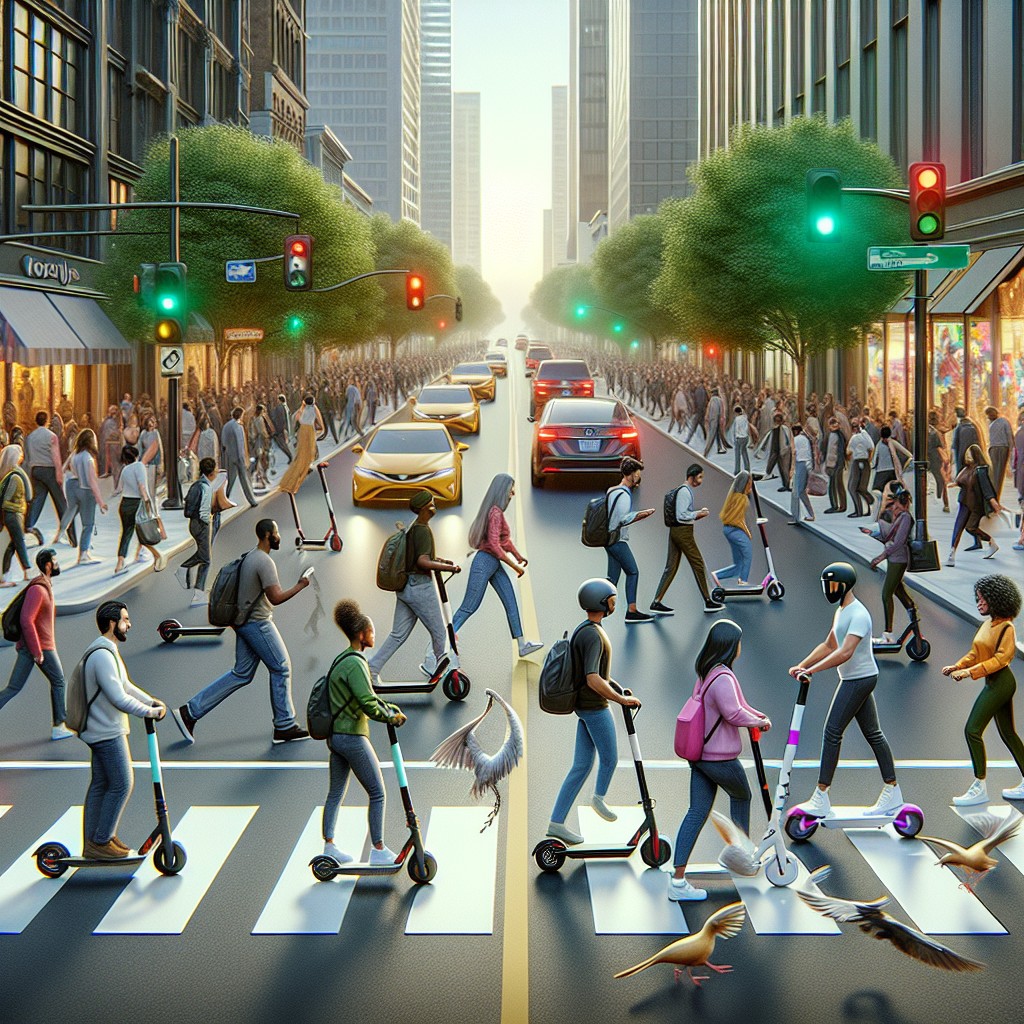
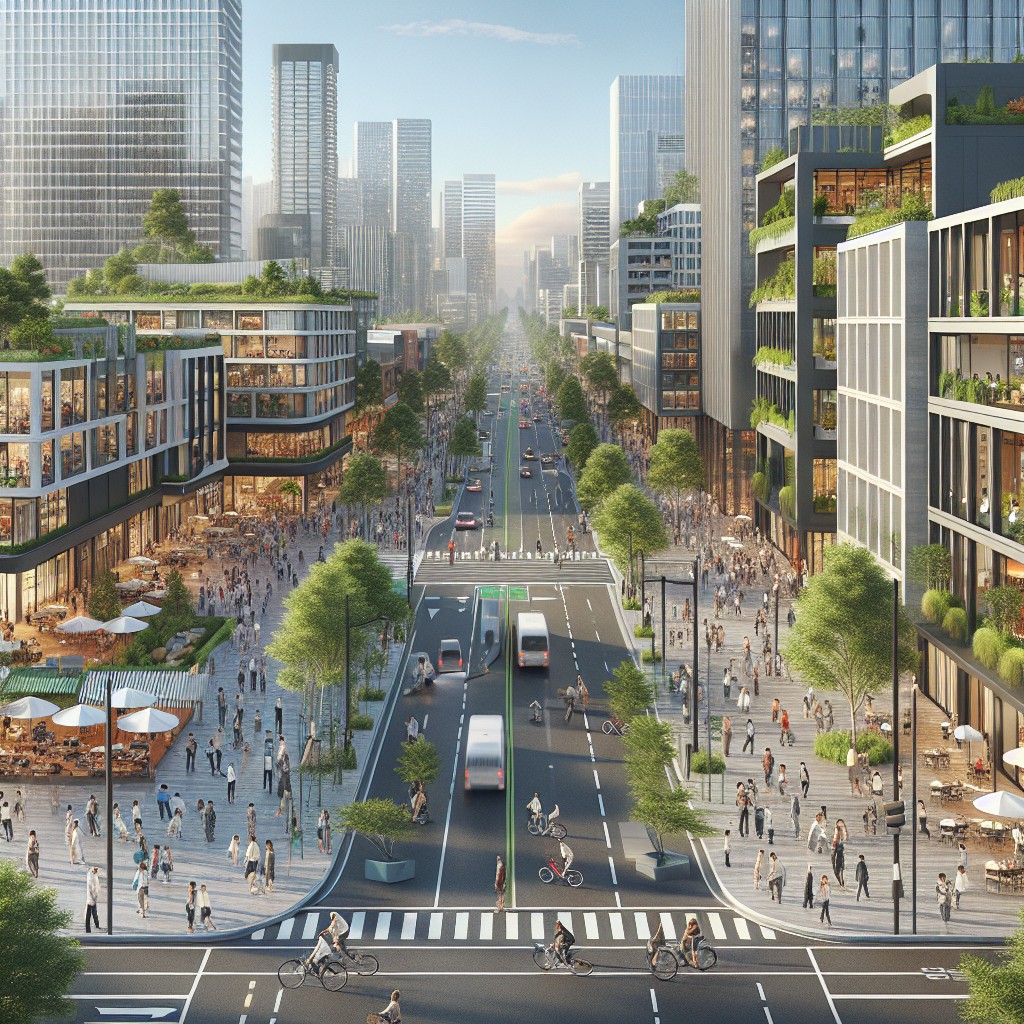
In recent years, cities across the globe have witnessed a significant expansion in the night economy, which encompasses all economic activities that take place after sunset. This growth has brought new challenges and opportunities, particularly relating to urban safety and public order. Municipalities have been implementing innovative strategies to ensure that thriving night-time businesses do not come at the expense of street security and community well-being.
Understanding the rise of the night economy
The night economy includes sectors such as hospitality, entertainment, retail, and transportation that operate during evening and night hours. This expansion is driven by changing lifestyles, increased urban populations, and a demand for round-the-clock services. According to recent studies, the night economy contributes substantially to employment and GDP figures in many metropolitan areas. Its development is recognized as a vital component of a city’s overall economic strategy, promoting vibrancy and inclusivity.
Challenges posed by increased night-time activity
While the night economy generates significant economic benefits, it also presents safety challenges. Increased foot traffic, alcohol consumption, and extended transportation hours raise concerns about crime, noise pollution, and public disorder. Cities face the task of balancing economic growth with the safety of residents and visitors. Without targeted measures, the risk of incidents such as assaults, theft, and traffic accidents tends to rise during night hours.
Innovative safety strategies implemented by cities
Many urban centers have adopted comprehensive approaches to protect streets during night-time economic activity. These include enhancing street lighting, increasing police patrols, and employing surveillance technologies such as CCTV. Some cities collaborate with local businesses to create safer environments through training programs that address conflict de-escalation and responsible service of alcohol. Public transport services have been extended to reduce drunk driving, and city planners are redesigning public spaces to improve visibility and accessibility.
The role of technology in securing the night economy
Technological advancements play a critical role in making night-time activities safer. Cities have introduced smart street lighting systems that adjust brightness based on activity levels and pedestrian presence. Mobile apps enable users to report safety concerns in real time, improving response times. Additionally, integrated communication platforms facilitate coordination between law enforcement and night-time businesses. These innovations help create a proactive safety environment that supports the growth of the night economy while minimizing risks.
Community engagement and policy development
Engaging local communities is essential in creating safe night-time environments. Authorities often consult residents, business owners, and advocacy groups when crafting policies targeting the night economy. This participatory approach ensures that safety measures reflect diverse needs and foster mutual accountability. Effective communication campaigns raise awareness about safe behaviors and encourage responsible participation in night-time activities. Policy frameworks that balance regulation with support for businesses have proven effective in sustaining a secure and prosperous night economy.
Conclusion
The substantial growth of the night economy presents both opportunities and challenges for cities worldwide. Through strategic planning, technological integration, and community involvement, urban centers have successfully enhanced street safety during night hours. These efforts not only protect public well-being but also reinforce economic vitality and social cohesion. Looking ahead, the continued evolution of the night economy will likely depend on adaptive policies that prioritize safety as a foundation for sustainable urban development.
Frequently Asked Questions about night economy
What is the night economy?
The night economy refers to economic activities and services that operate during evening and night hours, including entertainment, hospitality, and retail sectors.
How does the night economy impact urban safety?
The night economy can increase safety challenges such as crime and accidents, which cities address through enhanced policing, lighting, and community initiatives.
What measures do cities take to protect the night economy?
Cities employ strategies like improved street lighting, surveillance technology, extended public transport, and collaborative safety programs with local businesses to secure the night economy.
How important is technology in managing the night economy?
Technology is vital for monitoring, reporting, and responding to safety issues in the night economy, enabling more timely and effective interventions.
Why is community engagement crucial for the success of the night economy?
Community engagement ensures that safety policies reflect local needs and promotes shared responsibility among residents, businesses, and authorities within the night economy.