As global temperatures rise, urban heat islands present a significant challenge to cities worldwide. These localized areas experience higher temperatures than their rural surroundings due to concrete landscapes and human activities. Tackling urban heat through strategic design interventions is gaining urgency to protect public health and improve city livability.
The science behind urban heat islands
Urban heat islands occur because materials such as asphalt and buildings absorb and retain heat during the day, releasing it slowly at night. This leads to elevated temperatures, often several degrees higher than neighboring green spaces. According to the Environmental Protection Agency, urban heat can exacerbate air pollution and increase energy consumption for cooling.
Innovative street design solutions
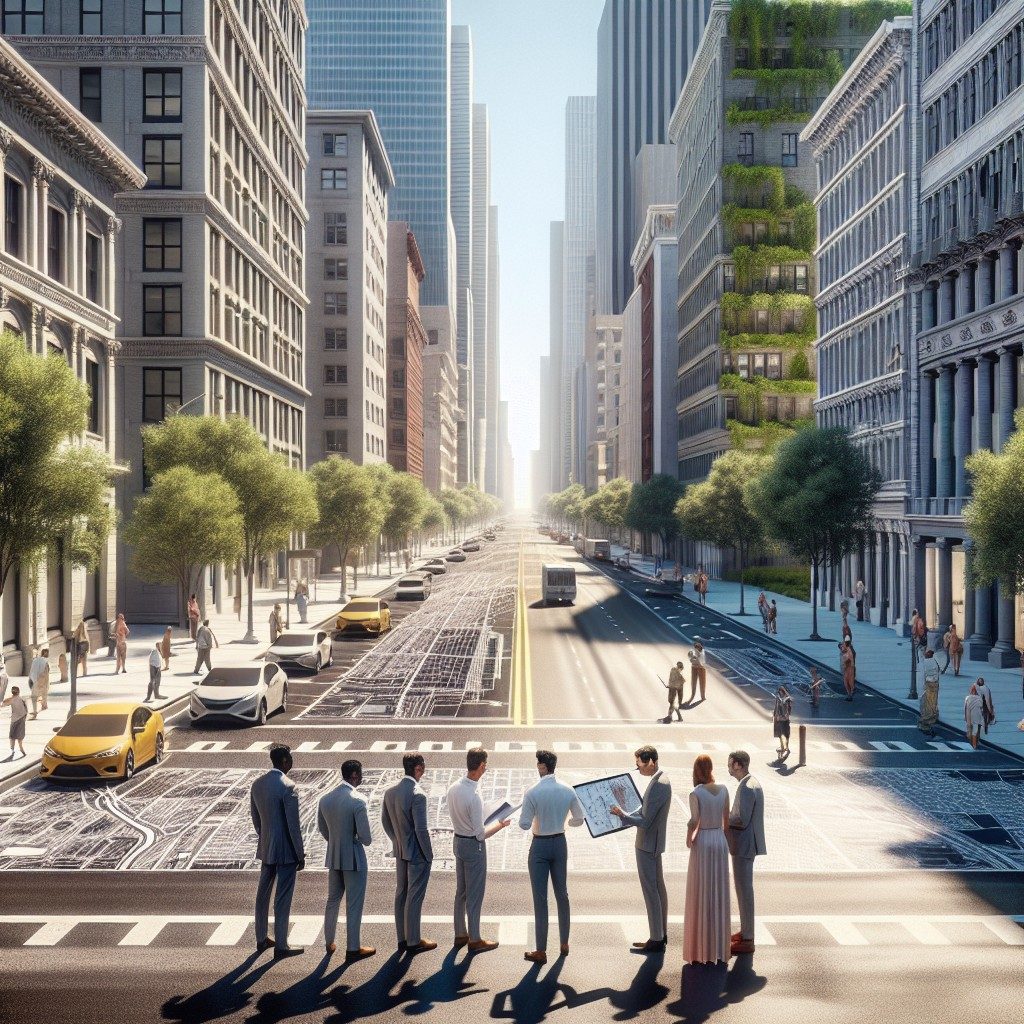
City planners and architects are implementing various design fixes to mitigate urban heat effects. One effective approach is increasing street tree cover. Trees provide shade and promote evapotranspiration, which naturally cools the air. Additionally, using permeable pavements reduces heat absorption by allowing water to permeate through surfaces, which in turn lowers surface temperatures.
Reflective and cool pavement technologies
Another strategy involves the application of reflective or ‘cool’ pavements that reduce heat absorption compared to conventional asphalt. These materials reflect more sunlight and absorb less heat. Studies from the World Health Organization highlight that cooling pavements can significantly decrease urban surface temperatures and improve thermal comfort for pedestrians.
Urban green spaces and water features
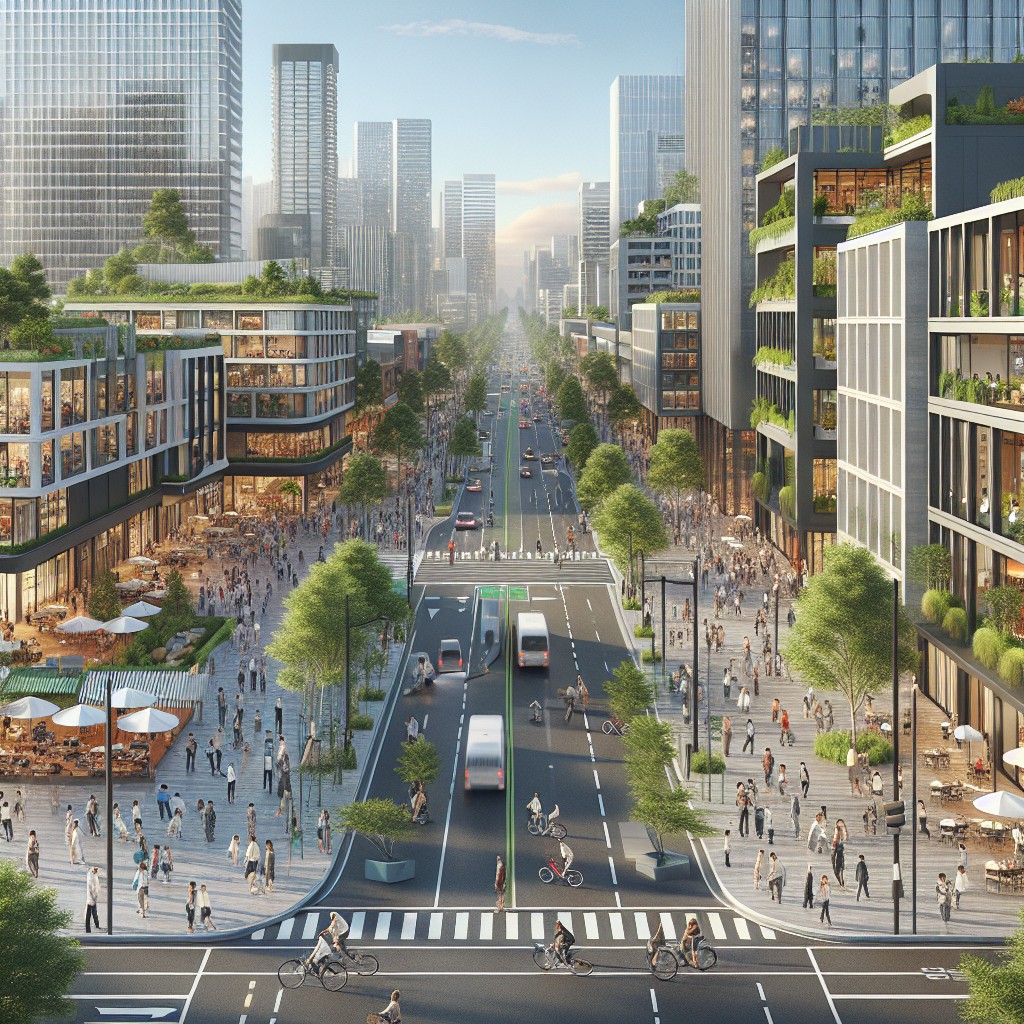
Incorporating green spaces and water elements into urban design can help reduce urban heat substantially. Parks, green roofs, and vertical gardens increase vegetation coverage, creating cooling effects. Water features such as fountains and ponds lower temperatures through evaporation. Cities investing in these features often report improved local climate conditions and enhanced public well-being.
Policy frameworks and community engagement
The success of urban heat mitigation measures depends on supportive policies and active community participation. Municipal governments are increasingly adopting heat action plans that prioritize investments in cooling infrastructure. Public awareness campaigns also encourage residents to contribute by planting trees and adopting heat-reducing behaviors.
Urban heat remains a pressing challenge as metropolitan areas continue to grow. However, through evidence-based design fixes and collaborative policymaking, cities can rapidly cool their streets and enhance the quality of urban life. Continued monitoring and adaptation are essential as climate patterns evolve, ensuring these interventions remain effective in the long term.
Frequently Asked Questions about urban heat
What causes urban heat islands?
Urban heat islands result from the replacement of natural land cover with buildings and pavement, which absorb and retain heat more than vegetated surfaces, leading to higher temperatures in cities.
How can urban heat be reduced quickly?
Urban heat can be reduced rapidly by increasing greenery such as street trees, using reflective pavements, and integrating water features that cool surrounding areas through evaporation.
Are cool pavements effective in managing urban heat?
Yes, cool pavements reflect more sunlight and absorb less heat than traditional materials, significantly lowering surface temperatures and helping to mitigate urban heat.
What role do green spaces play against urban heat?
Green spaces help combat urban heat by providing shade and promoting evaporative cooling, which lowers local temperatures and improves air quality.
Why is addressing urban heat important for public health?
Managing urban heat is crucial because excessive heat can cause heat-related illnesses and worsen respiratory conditions, especially affecting vulnerable populations in densely populated areas.