The concept of the 15-minute city has recently gained significant traction among urban planners and policymakers worldwide. Designed to enable residents to meet most of their daily needs within a 15-minute walk or bike ride from their homes, this urban model promises greater sustainability, improved quality of life, and reduced traffic congestion. However, while the idea is appealing, its practical application reveals both successes and challenges that warrant careful examination.
The core principles behind 15-minute cities
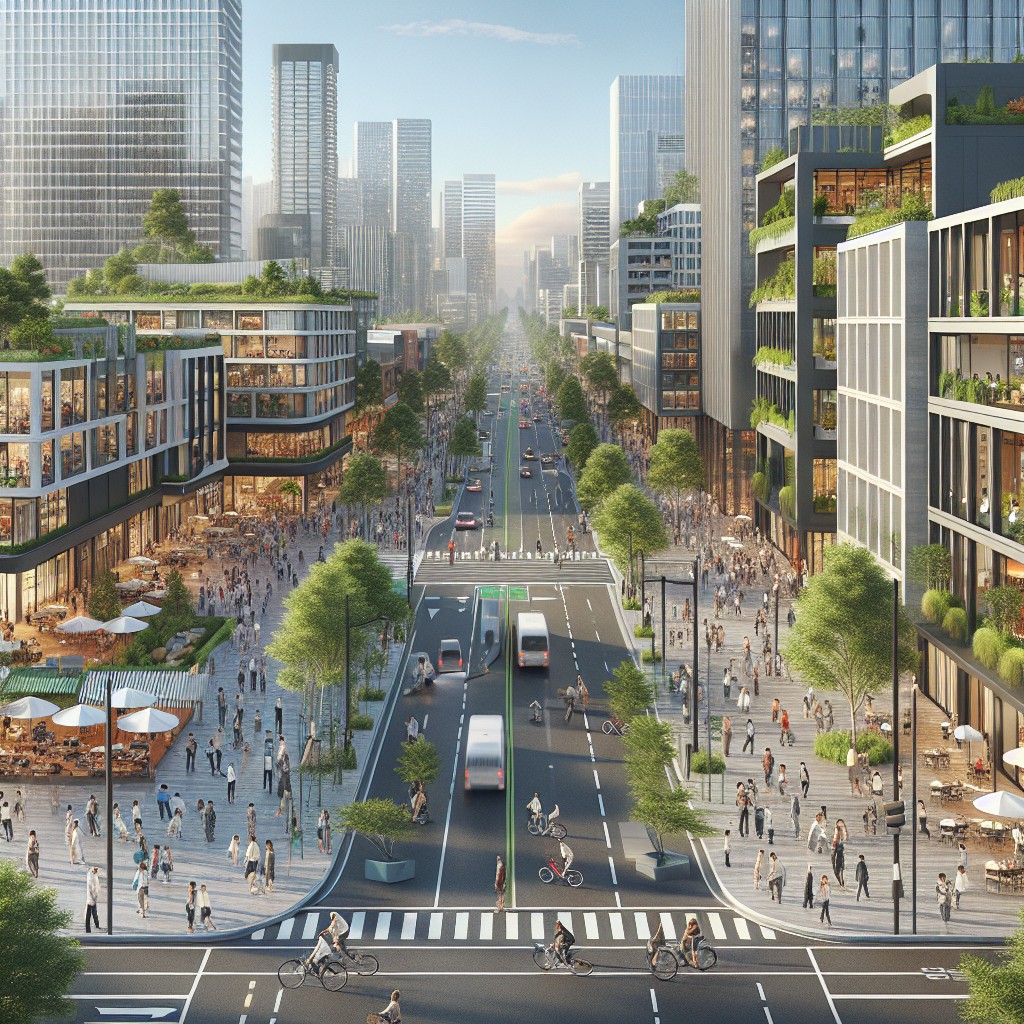
The 15-minute city concept emphasizes accessibility, mixed-use urban development, and human-scale design. By integrating residential, commercial, educational, and recreational spaces within close proximity, the model reduces dependency on private vehicles and encourages walking, cycling, and public transit. Cities like Paris, Melbourne, and Portland have adopted elements of this strategy in their planning, aiming to create more livable neighborhoods with reduced pollution and stronger community ties.
Successful implementations and visible benefits
Several cities have demonstrated notable successes in applying 15-minute city principles. Paris, under Mayor Anne Hidalgo’s administration, has pushed forward extensive bike lanes and pedestrian zones, transforming formerly car-dominated streets into vibrant public spaces. Melbourne’s 20-minute neighborhoods initiative, a similar variation, focuses on increasing local access to essential services and green spaces. These efforts have resulted in measurable improvements, such as decreased greenhouse gas emissions, increased active transportation rates, and enhanced mental well-being among residents who enjoy more green areas and community interaction.
Challenges and unintended consequences
Despite the advantages, implementing 15-minute cities also faces obstacles. One significant challenge is ensuring equitable access to amenities across all neighborhoods. In some cases, downtown revitalization efforts lead to gentrification, which pushes lower-income residents further away, counteracting the inclusive goals of the model. Additionally, retrofitting existing suburbs into 15-minute cities can be expensive and complicated due to zoning laws and infrastructure designed around car use. Critics also point out that not all residents may find the 15-minute radius sufficient for their needs, particularly those requiring specialized healthcare or employment locations.
Technological and policy enablers
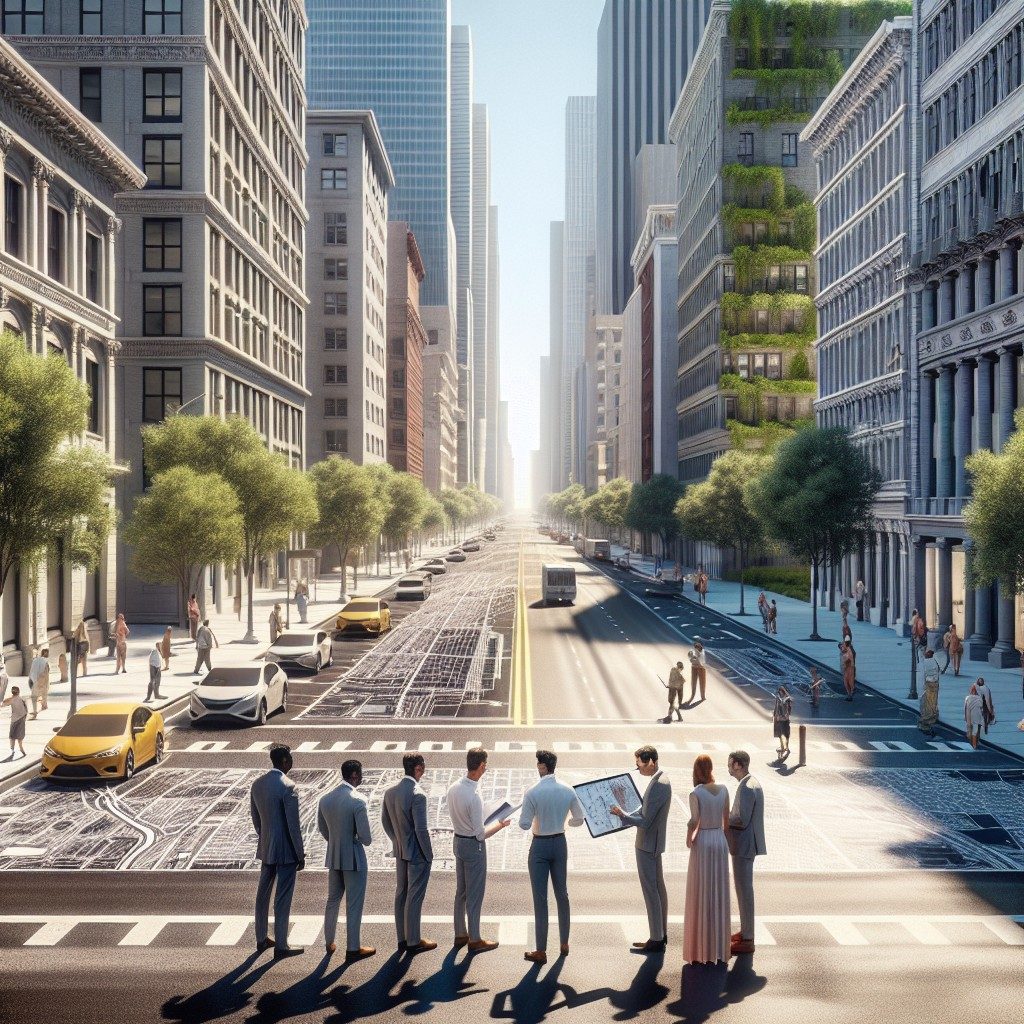
The role of technology and innovative policy frameworks is vital in advancing 15-minute cities. Urban data analytics help planners identify service gaps and optimize public transport routes, while emerging mobility solutions such as e-scooters and shared bicycles complement the model’s goals. Policymakers are increasingly adopting regulations that support mixed-use development and limit urban sprawl to facilitate compact neighborhoods. Financial incentives for local businesses and affordable housing development are also crucial to preserving diversity and economic vitality within 15-minute cities.
The future outlook for 15-minute city concepts worldwide
As climate change concerns intensify and urban populations continue to grow, the 15-minute city remains a compelling framework for sustainable city planning. Its adoption is expected to increase globally, driven by evidence showcasing improved environmental outcomes and urban livability. However, successful scaling requires balancing design innovation with social equity considerations to prevent displacement and ensure that all residents benefit equally. Continuous evaluation and stakeholder engagement will be essential to adapting the concept pragmatically in diverse urban contexts. In this regard, the 15-minute city may evolve into a versatile tool shaping the cities of tomorrow.
Frequently Asked Questions about 15-minute city
What is the main goal of the 15-minute city concept?
The main goal of the 15-minute city is to create urban environments where residents can fulfill most of their daily needs—such as work, shopping, education, and recreation—within a 15-minute walk or bike ride from their homes.
How does a 15-minute city impact transportation habits?
A 15-minute city encourages reduced car dependency by promoting walking, cycling, and efficient public transportation, which leads to lower traffic congestion and pollution.
Are 15-minute cities suitable for all types of urban areas?
While the 15-minute city concept works well in dense, mixed-use neighborhoods, retrofitting sprawling suburbs can be challenging due to existing infrastructure and zoning, requiring tailored approaches.
What are common challenges faced in implementing 15-minute cities?
Common challenges include preventing gentrification, ensuring equitable access to amenities, overcoming zoning restrictions, and accommodating residents with specialized needs beyond the 15-minute radius.
How can technology support the development of 15-minute cities?
Technology aids 15-minute city development by analyzing urban data for planning, optimizing public transport routes, and supporting micro-mobility solutions, improving service accessibility and efficiency.